
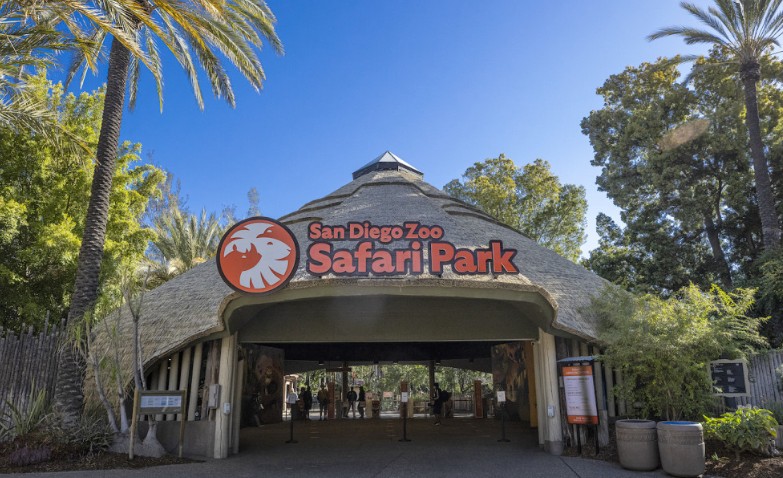
The San Diego Zoo is widely recognized as one of the most respected zoological institutions in the world. Located in Balboa Park, California, it is home to thousands of animals representing hundreds of species, many of which are rare or endangered. More than a popular tourist attraction, the zoo plays a significant role in global wildlife conservation, scientific research, and education.
A Diverse Collection of Wildlife From Around the World
The San Diego Zoo houses more than 3,500 animals across a vast and carefully designed space. Species come from every major region of the planet, including Africa, Asia, Australia, and the Americas. The zoo is especially known for creating environments that resemble natural habitats rather than traditional enclosures.
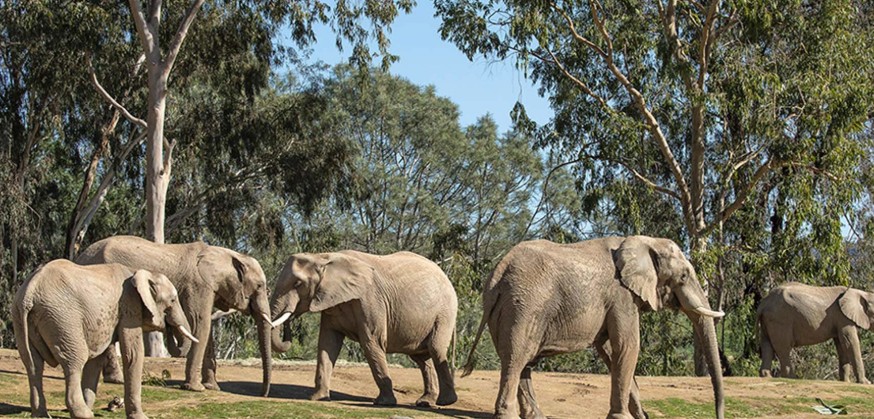
Visitors can observe elephants roaming expansive areas, primates interacting in complex social groups, and reptiles thriving in climate-controlled ecosystems. Birds are another highlight, with large aviaries that allow free flight and close observation. This diversity makes the zoo appealing not only to casual visitors but also to researchers and wildlife enthusiasts.

Rare and Endangered Species at the Center of Attention
One of the defining aspects of the San Diego Zoo is its focus on rare and endangered species. Over the years, the zoo has become closely associated with animals that are difficult to observe elsewhere. Giant pandas, when present through international conservation partnerships, drew global attention and highlighted the zoo’s role in diplomacy through wildlife protection.
Other notable species include Amur leopards, koalas, Sumatran tigers, and various species of rhinoceros. Many of these animals face severe threats in the wild due to habitat loss, poaching, and climate pressures. By maintaining stable populations in managed environments, the zoo contributes to the long-term survival of species that may otherwise disappear.

Conservation Programs With Global Reach
Beyond what visitors see on site, much of the zoo’s impact happens behind the scenes. Conservation programs supported by the San Diego Zoo extend far beyond California, reaching ecosystems across multiple continents. These initiatives focus on habitat preservation, species recovery, and collaboration with local communities.
The zoo is deeply involved in breeding programs designed to maintain genetic diversity among endangered animals. Scientists and veterinarians work together to ensure healthy populations that could support future reintroduction efforts when conditions allow. Field projects supported by the zoo also help protect animals in their natural environments, from monitoring wildlife populations to restoring degraded habitats.
Research, Science, and Wildlife Innovation
Scientific research is a core pillar of the San Diego Zoo’s mission. Through dedicated conservation science centers, researchers study animal health, genetics, reproduction, and behavior. This work helps improve animal care both at the zoo and in conservation programs worldwide.
Advanced reproductive technologies have been developed to assist species with very small populations. Genetic banks preserve biological material from thousands of animals, creating a safeguard for future conservation needs. These scientific efforts position the zoo as a leader in modern wildlife management rather than a passive exhibitor of animals.
Education and Public Awareness
Education is another essential part of the zoo’s role. Millions of visitors each year are exposed to information about biodiversity, environmental challenges, and conservation solutions. Interactive exhibits, guided programs, and digital resources help translate complex scientific topics into accessible knowledge.
For younger visitors, the zoo often serves as a first introduction to global wildlife and environmental responsibility. For adults, it offers context on how everyday choices can influence ecosystems around the world. This educational mission helps build long-term support for conservation beyond the zoo’s physical boundaries.
A Model for Modern Zoos
The San Diego Zoo is frequently cited as a reference point for how modern zoological institutions can balance public access, animal welfare, and scientific responsibility. Its design philosophy prioritizes animal well-being while still offering engaging visitor experiences. This approach has influenced zoo development globally and reshaped public expectations.
By combining wildlife care, conservation programs, and research, the zoo demonstrates that zoological institutions can play an active role in protecting the natural world rather than simply displaying it.
More Than a Tourist Attraction
For many visitors, the San Diego Zoo begins as a leisure activity. What often remains afterward is a deeper understanding of wildlife conservation and the challenges facing rare species. The zoo’s long-term impact lies in this shift from observation to awareness.
Through its animals, conservation programs, and scientific contributions, the San Diego Zoo continues to shape how people perceive wildlife and humanity’s responsibility toward it.


