It’s not a battle.
It’s not a betrayal.
It’s not even a cliffhanger.
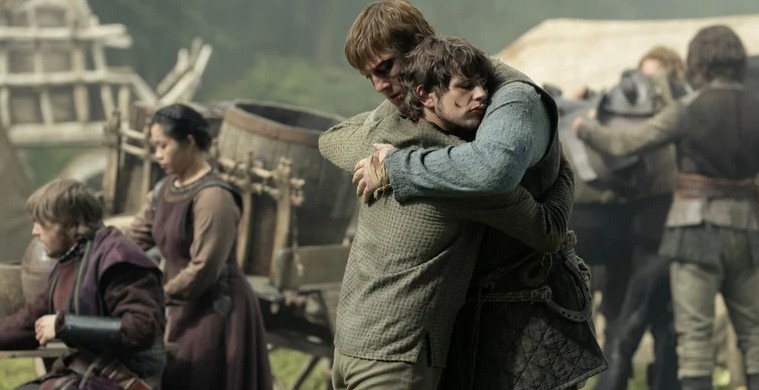
Season 1 of A Knight of the Seven Kingdoms ends on a quiet image. Two characters. A road. A pause.
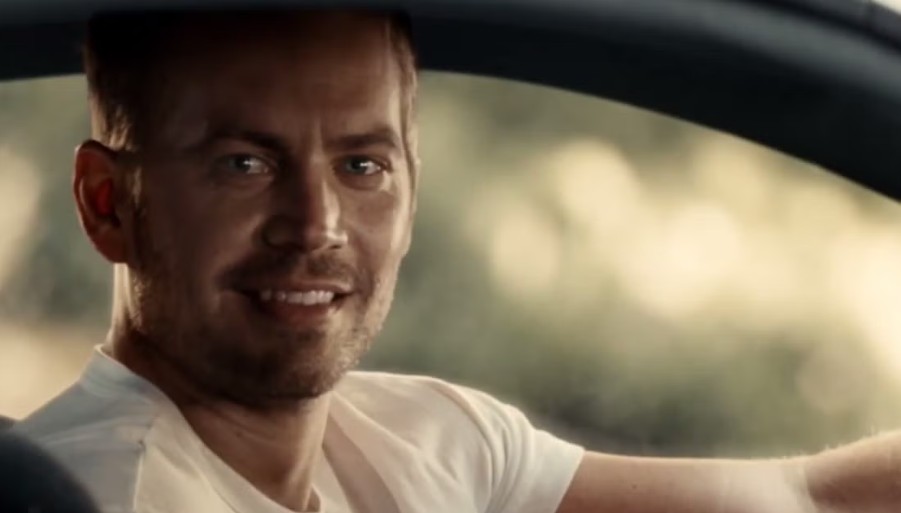
And almost immediately, a comparison surfaced: the final scene of Furious 7.
On paper, the link sounds absurd. Westeros on one side, tuned street racers on the other. Yet visually and emotionally, the parallel holds.
Why Does This Scene Echo Paul Walker’s Farewell?
The ending of Furious 7 became iconic for a simple reason: it was staged as a goodbye. After the death of Paul Walker, the film closes with two cars driving side by side before taking separate roads.
Very little dialogue.
A stretched, reflective edit.
A separation framed as something tender rather than dramatic.
In A Knight of the Seven Kingdoms, we see a similar visual language:
-
A central duo carrying the emotional weight of the story
-
A wide, contemplative composition
-
Emotion expressed through framing instead of exposition
-
A feeling of transition rather than violent rupture
The HBO series is not memorializing a real-life loss.
But it adopts the cinematic grammar of farewell.
Is HBO Trying to Humanize the Game of Thrones Universe?
Since Game of Thrones, Westeros has been associated with shock. Executions. Betrayals. Mass casualties.
Even House of the Dragon remains anchored in dynastic tension.
A Knight of the Seven Kingdoms operates differently. Its foundation is the relationship between Dunk and Egg. Smaller scale. More personal.
Ending the season quietly is almost a statement.
It signals that this series may not define itself through spectacle, but through connection.
In a world known for killing its heroes, closing on continuity instead of catastrophe changes the emotional temperature.
Is It Really a Tribute, or Just Cultural Projection?
There is no official confirmation that the show is referencing Furious 7. Farewell imagery predates modern blockbusters. Two figures walking toward diverging futures is hardly new.
But cultural memory matters.
Furious 7 transformed that visual structure into a universal symbol of goodbye. Once that association exists, it becomes difficult to ignore.
This may not be a deliberate homage.
But it is undeniably a cultural echo.
Why the Choice Works
Because it contrasts.
In a franchise built on chaos, restraint feels bold.
In a political epic, a quiet walk becomes meaningful.
A strong finale does not always aim to shock.
Sometimes it aims to linger.
And if viewers are already comparing this closing image to one of the most emotionally resonant blockbuster endings of the past decade, the creative decision has done its job.
Not explosive.
But lasting.