A song appears among the nominees for Record of the Year, then turns up again under Song of the Year. A little farther down the list, the album it comes from earns another nomination. Why recognize the same artist in so many categories?
Each award honors something different. Song of the Year recognizes songwriting. Record of the Year honors a specific recording. Album of the Year recognizes a complete album.
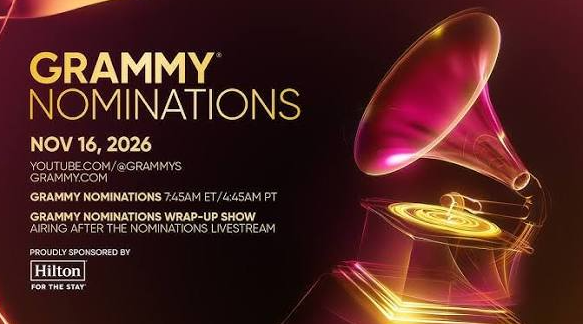
The 2027 Grammy nominations bring that question back into focus, but the distinction matters every year. It also helps explain the work of people whose names appear in the credits alongside the performer.
If you follow several awards shows, our guide to The Game Awards 2026 offers another useful reminder: every ceremony has its own categories and rules. A familiar-sounding award can recognize a very different achievement.
The Three Categories at a Glance
| Category | What It Recognizes | The Simple Distinction |
|---|---|---|
| Song of the Year | Songwriting: music and lyrics | The composition |
| Record of the Year | The recording of one song | The version you hear |
| Album of the Year | An album as a whole | The complete project |
Part of the confusion comes from the word record. In everyday conversation, it can mean an album. In this Grammy category, it means the recording of an individual track, rather than the full album.
Song of the Year Recognizes the Songwriting
Song of the Year is an award for songwriters. It recognizes the writing behind a song, including its music and lyrics.
The performer can receive the award if they helped write it. Singing a track, however, doesn’t automatically mean the performer wrote it.
The Recording Academy’s official FAQ explains this distinction between a composition and its recording.
To picture the difference, imagine a song performed simply at a piano. Its lyrics, melody, and structure remain recognizable even when the instruments and production change.
That’s a useful way to think about the songwriting separately. It doesn’t mean voters use an acoustic version to choose a winner; it’s simply a listening exercise that helps clarify what the category recognizes.
Look for the songwriters in the credits. You may find the performer, several collaborators, or writers whose names aren’t as familiar as the artist’s.
Record of the Year Recognizes the Recording
Record of the Year focuses on a specific recording: the version you hear when you play the track.
The category recognizes the performance and contributions to the finished sound, including production, recording, mixing, and mastering, under the applicable crediting rules.
Think about the elements that give a recording its identity:
- How the vocal is performed.
- Which sounds and instruments are used.
- Where each element sits in the mix.
- Production choices and effects.
- The overall sound of the finished track.
The same composition can be recorded in different ways: a stripped-down arrangement, an electronic production, or another artist’s interpretation. The listening experience changes even when the words and melody remain recognizable.
Song of the Year and Record of the Year therefore recognize different dimensions of a track. Record of the Year isn’t exclusively a technical award, though. The performance is part of the recording, too.
Album of the Year Recognizes the Complete Project
Album of the Year concerns an entire album, rather than one track.
For listeners, that means looking beyond the single that first caught your attention. An album gives you more of the artist’s ideas and a chance to hear how the tracks work together.
When exploring a nominated album, you might ask:
- Do the tracks build a shared atmosphere?
- Does the running order change the experience?
- What do shifts in pace contribute?
- Are the less familiar songs as rewarding as the single?
These are personal listening prompts, rather than an official scoring system.
The important distinction is between loving one song and connecting with an album as a whole. Those experiences can overlap, but they aren’t interchangeable.
Billie Eilish’s “bad guy” Shows How It Works
The 2020 ceremony provides a clear example.
“bad guy” won both Record of the Year and Song of the Year. That same year, When We All Fall Asleep, Where Do We Go? won Album of the Year. The Recording Academy recounts those achievements in its coverage of Billie Eilish’s 2020 win.
Here’s how to read those results:
| Award | Work Recognized | What the Award Honors |
|---|---|---|
| Song of the Year | “bad guy” | The songwriting by Billie Eilish and FINNEAS |
| Record of the Year | The recording of “bad guy” | The performance and finished recording |
| Album of the Year | When We All Fall Asleep, Where Do We Go? | The complete album |
These weren’t three differently named awards for exactly the same thing. Two recognized distinct aspects of a track; the third recognized the album.
Can a Song Win Both Record and Song of the Year?
Yes. As “bad guy” demonstrates, a track can win both categories at the same ceremony.
That doesn’t mean the results have to match. Voters can recognize one composition for Song of the Year and a different recording for Record of the Year.
Before treating that as a contradiction, return to what each award honors. You might prefer the writing of one song, the performance and production of another, and a different album overall. Those preferences can coexist.
That’s also what makes a nominations list worth exploring: it offers several ways into the music.
How to Read Grammy Nominations Without Mixing Them Up
Start with the category, then the nominated work, then the credits.
For Song of the Year, look for the songwriters. For Record of the Year, look at the performer and recording team. For Album of the Year, check the album title rather than assuming the nomination concerns its best-known single.
Then try building a short listening session:
- Choose a nominated track.
- Listen to its melody and lyrics.
- Play it again, focusing on the voice and production.
- Explore the album it comes from, particularly if that’s nominated too.
The exercise doesn’t require you to agree with the voters. It gives you more to notice and a better understanding of why different contributions receive recognition.
For more explanations of the stories circulating through culture and the web, explore Enzvia’s Viral section.
The easiest distinction to remember is: Song for songwriting, Record for the recording, and Album for the complete project. Next time the same name appears in several categories, take a look at the credits. They often reveal a more collaborative story than the song title alone suggests.
Know someone who mixes up these categories every year? Share this guide before your next Grammy watch party.