After weeks of tension bordering on global conflict, a surprise two-week ceasefire agreement has brought immediate relief to consumers and markets. With oil prices plunging back toward $90 per barrel, the global economy has, for now, avoided a catastrophic scenario of uncontrollable inflation.
The End of the Strait of Hormuz Blockade?
The turning point of this crisis rested on access to the Strait of Hormuz, a vital artery through which a major portion of the world’s oil production passes. The deal reached at the last minute between U.S. President Donald Trump, Iran, and Israel provides for a reopening of the strait, allowing oil supplies to flow freely once again to international customers.
This decision came just hours before a deadline set by the American president, who had threatened an unprecedented escalation—forcing a “whole civilization” to die—if the passage remained blocked. This pullback from the threat of total war caused the price of benchmark U.S. crude to plunge by 17.5%, settling at $93.15.
A Direct Impact on Household Wallets
While stock market indices capture the attention of investors, it is the impact on the cost of living that concerns the general public. Before this truce, the average price of regular gasoline in the United States had climbed to $4.16 per gallon, up from less than $3 at the start of the conflict in late February.
The tumble in crude prices—with Brent crude also falling 16.6% to $91.11—should, if sustained, slow the rising costs of everyday goods transported by plane, boat, or truck.
Key points of this financial easing include:
-
Energy Price Drop: Oil, which had briefly topped $119 at the height of war worries, is returning to more sustainable levels.
-
Rate Stabilization: The yield on the 10-year Treasury fell to 4.25%, offering potential relief for mortgage rates and business loans.
-
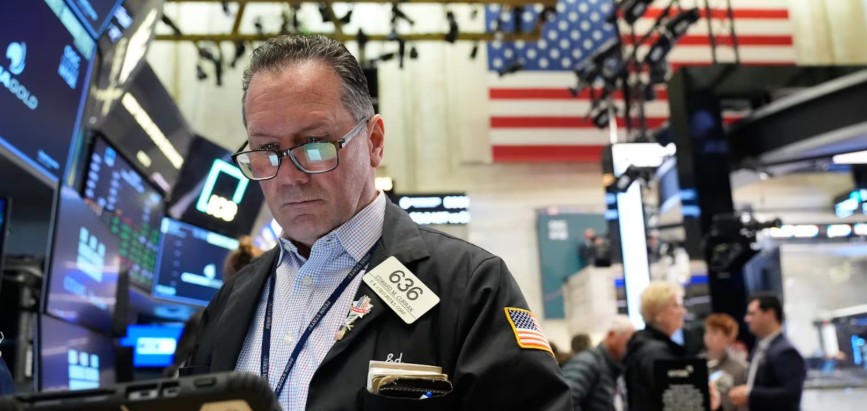
Sector Relief: Industries sensitive to fuel costs, such as cruise lines and airlines, are seeing their operating costs decrease drastically; for example, United Airlines soared 13.7%.
A Test for Donald Trump’s Diplomacy
This sequence mirrors the transactional strategy of the American president. Much like the tariff negotiations a year prior, aggressive rhetoric eventually gave way to a last-minute negotiated delay.
However, the market remains on its guard. As Takashi Hiroki, chief strategist at MONEX, points out, it is still too early to declare victory because uncertainty remains. The ceasefire is only scheduled for two weeks, and observers are waiting to see if shipping through the Strait of Hormuz truly normalizes to pave the way for a more durable peace agreement.