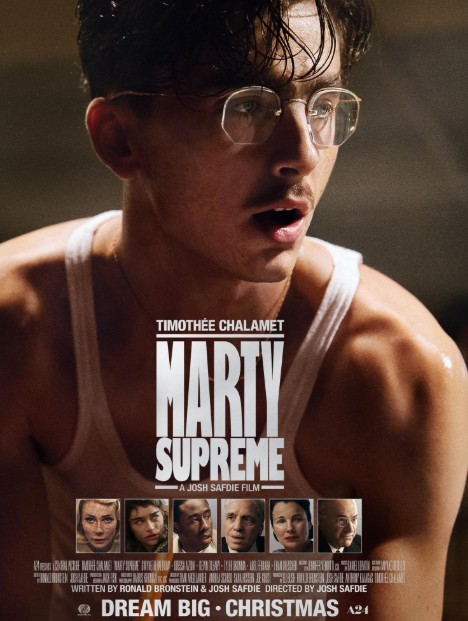
Some sports produce champions. Others produce characters. Marty Supreme belongs firmly to the second category. Inspired by the life of Marty Reisman, the story reaches far beyond medals or rankings. It explores obsession, pride, and the stubborn refusal to disappear quietly.
Table tennis rarely occupies center stage in American sports culture. That marginal position makes Reisman’s journey even more striking. His story is not about dominance within a system. It is about fighting to exist outside of one.
An Unlikely Arena for American Mythmaking
In the United States, table tennis has long lived in basements, recreation centers, and pool halls. It lacks the institutional prestige of baseball or basketball. For Reisman, that obscurity became an advantage.
He entered the sport through hustling, not federations. Money games, psychological warfare, and relentless self belief shaped his approach. Winning mattered, but presence mattered more. He wanted to be seen, heard, and remembered.
“Some athletes chase trophies. Others chase relevance. Marty Reisman chased both, long after the crowd stopped watching.”
This tension between recognition and isolation sits at the heart of Marty Supreme. The film does not attempt to elevate table tennis. It elevates the man who refused to treat it as small.
Aging in a Young Man’s Game
One of the most compelling elements of Reisman’s story is longevity. Competing well past the age most athletes accept decline, he turned aging into provocation.
Rather than softening with time, his persona sharpened. Trash talk, theatrics, and defiance became tools of survival. Each match carried a second battle. One against the opponent, another against irrelevance.
The film frames aging not as tragedy but as confrontation. What happens when the body slows but the ego refuses to follow?
“The body keeps score, but the ego keeps showing up.”
This idea resonates far beyond sport. It mirrors fears shared by artists, performers, and anyone whose identity depends on being visible.
Outsider Energy as Fuel
Reisman never fully belonged. That outsider status was not accidental. It was cultivated. Being underestimated allowed him to control the narrative.
Marty Supreme presents this outsider energy as fuel rather than weakness. The lack of mainstream approval freed him from expectations. He played for money, pride, and spectacle. That raw motivation feels closer to street performance than organized competition.
The result is a figure who feels almost mythic. Not polished. Not heroic in the traditional sense. But intensely alive.
“When no one expects you to win, every appearance becomes a rebellion.”
Table Tennis as a Stage, Not a Subject
While the film revolves around matches, the sport itself functions as a stage. The real drama unfolds in gestures, monologues, and confrontations.
This approach explains why Marty Supreme resonates even with viewers unfamiliar with table tennis. The rallies matter less than the reasons behind them. Each point becomes an assertion of identity.
The table is small. The stakes are personal.
Why Marty Supreme Endures
Stories like this last because they speak to universal anxieties. Fear of aging. Fear of being forgotten. Fear of becoming irrelevant while still feeling unfinished.
Reisman’s answer to those fears was not grace or acceptance. It was noise. Movement. Refusal.
That choice may not be admirable in every sense. The film does not sanitize him. It allows arrogance, insecurity, and contradiction to coexist.
“He wasn’t trying to be liked. He was trying to remain impossible to ignore.”
That honesty gives the story its lasting power.
A Legacy Beyond Medals
Marty Reisman’s legacy is not defined by titles alone. It lives in the idea that significance does not require permission. You can claim space even in places deemed insignificant by others.
Marty Supreme captures that spirit with restraint and respect. It does not romanticize failure, but it does honor persistence.
In the end, the film asks a quiet question. What does it mean to stay present in a world that constantly moves on?
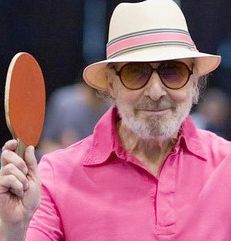
For Marty Reisman, the answer was simple. Keep playing. Keep talking. Keep showing up.
And refuse to fade away.