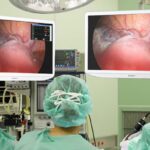
In 2014, Iga Jasica, 19, was admitted to the Central Clinical Hospital in Katowice, Poland, for a high-risk and complex procedure: the removal of a cancerous brain tumor.
A long operation, performed under general anesthesia, requiring part of her skull to be opened.
Nothing suggested what would happen next.
What happened midway through the operation
Halfway through the surgery, the anesthesia began to wear off earlier than expected.
Iga opened her eyes.
Her brain was exposed. The surgical team was fully engaged in the procedure.
In situations like this, doctors typically expect an immediate reaction: panic, screaming, sudden movements, and serious surgical risk.
That is not what happened.
Iga calmly looked around and asked a simple question:
“Is everything going well?”
Then she starts talking… about cats
The scene became even more surreal.
Instead of panicking, the young patient began chatting casually with the medical team.
The topic? Cats, her favorite subject.
She talked, responded to questions, even made light conversation.
Stunned by her composure, the surgeons decided to continue the operation without interruption.
Stopping or rapidly re-sedating her could have posed greater risks than proceeding under these unexpectedly stable conditions.
Why she felt no pain or fear
Neurosurgeon Dawid Larysz, who was part of the operation, later clarified a key point that is often misunderstood:
the brain itself does not feel pain.
Pain receptors are located in the skin, muscles, and surrounding tissues, not in brain tissue.
In Iga’s case, those sensitive areas remained properly anesthetized.
As for the absence of fear, doctors believe it was likely due to a combination of factors:
-
a unique neurological state during surgery
-
controlled disorientation
-
the brain’s temporary inability to generate a strong emotional response
In short, the situation was objectively extreme, but her brain did not register it as an immediate threat.
Almost no memory afterward
Another unsettling detail:
Iga remembers very little of the incident.
As with many major surgeries, memory formation during the procedure was fragmented or nonexistent.
What fascinates millions of readers today barely registered in her long-term memory.
She missed Christmas that year because of the operation, but later described her recovery as the greatest gift she could have received.
Why this story still captivates people
This story continues to go viral for one simple reason:
it challenges a deeply held assumption.
We believe fear is inevitable in extreme situations.
Iga Jasica’s case proves that this isn’t always true.
Sometimes, even with the brain literally exposed,
the mind can remain astonishingly calm and talk about cats.
That contrast is precisely what makes this story unforgettable.