When a game stops feeling safe
For a lot of kids, Minecraft is a place where imagination runs free. It’s where they build worlds, experiment, and escape for a while.
But for some children, especially those who are neurodivergent, it can quickly turn into something very different.
That’s what happened to Cameron, a young autistic boy who was repeatedly harassed on public Minecraft servers. Insults, exclusion, and social rejection became part of his everyday experience online. Like many digital spaces, these servers had rules and community guidelines, but when it mattered most, they didn’t do much to protect the kids who needed it most.
Moderation systems exist. Reporting tools exist.
In reality, they often fall short, especially for children who don’t navigate social interactions the same way others do.
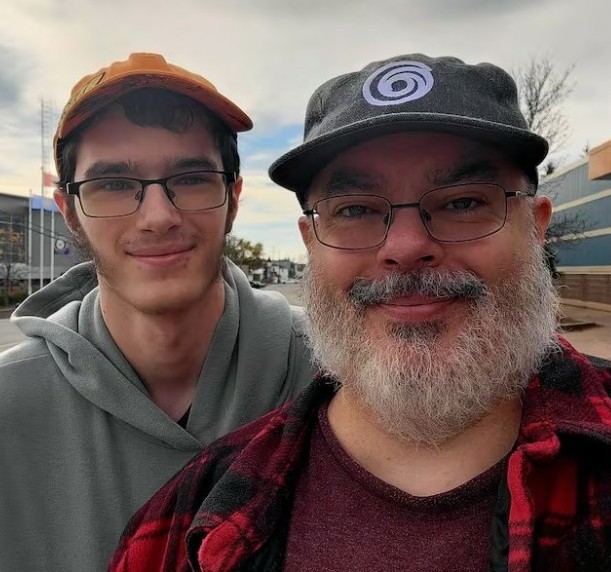
For Cameron’s father, Stuart Duncan, who is autistic himself, the situation was painfully clear. Letting his son stay in that environment simply wasn’t an option.
One clear idea in the middle of a complex problem
Stuart didn’t ask Minecraft to fix its moderation. He didn’t try to convince his son to stop playing altogether either. Instead, he took a different path.
In 2013, he created Autcraft, a private Minecraft server built specifically for autistic and neurodivergent children. From the start, the goal wasn’t competition, performance, or scale.
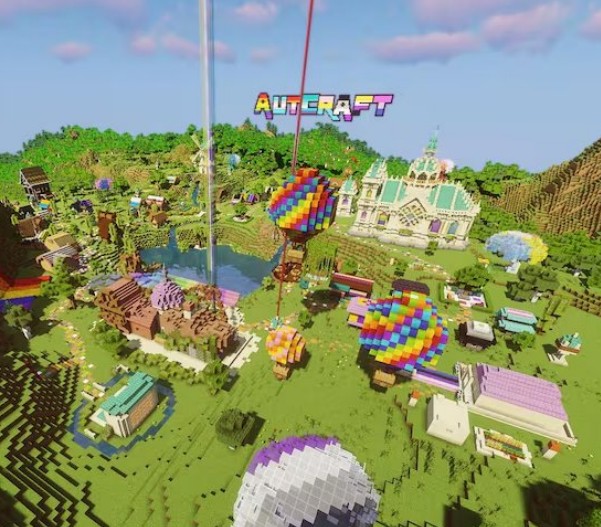
It was safety.
Respect sits at the center of everything on Autcraft. The rules are clear, but the way they’re enforced is what truly sets the server apart. There are no automatic bans, no harsh punishments. When conflicts happen, they’re handled through conversation, guidance, and mediation.
As Stuart Duncan puts it:
“Minecraft allowed me to enter my son’s world, quite literally.”
A small idea that grew far beyond expectations
Autcraft was originally meant for maybe a dozen children.
Within two days, more than 750 kids had signed up.
Today, the server welcomes over 17,600 neurodivergent players from around the world. Children, teenagers, and even adults log in to find something that’s surprisingly rare online: a space where they don’t have to mask who they are or explain themselves to belong.
This growth didn’t come from advertising or big budgets. It happened because the server was designed around real needs. Clear rules. Predictable environments. And, most importantly, constant human moderation by people who understand the community they’re supporting.
What most gaming platforms still get wrong
Autcraft exposes a major flaw in how online safety is usually handled. Most platforms rely on reports and delayed action. By the time something is addressed, the damage is often already done.
Autcraft flips that logic completely.
It prioritizes prevention over reaction.
Support over punishment.
Listening over exclusion.
And it works because it was built by someone who understands these challenges from lived experience, not by a distant system designed to scale moderation rather than care.
A story that goes beyond one game
Autcraft isn’t just a feel-good story about Minecraft.
It’s proof that safer online spaces are possible when human values come first, even without massive resources or corporate backing.
At a time when online harassment continues to affect younger and more vulnerable users, this project sends a simple but powerful message.
Digital spaces don’t become safer because of smarter algorithms. They become safer because of clear rules, empathy, and people who are willing to step in.
Sometimes, all it takes is one parent who refuses to accept that harm is “just part of the internet.”