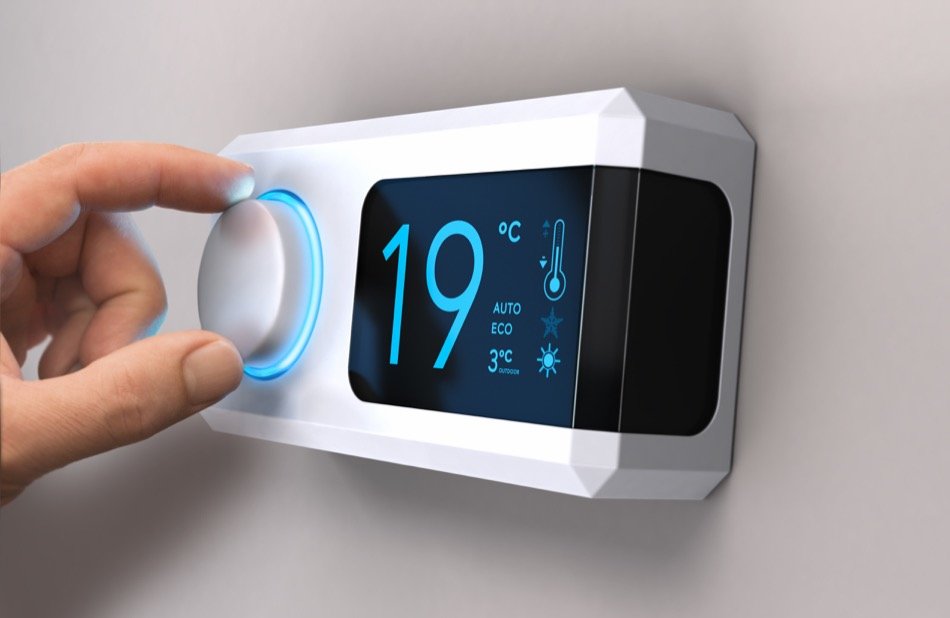
You turn up the thermostat, the heat comes on, and the living room still feels uncomfortable. Before raising the temperature again or buying another heater, a few checks can help you understand what’s happening.
The right settings depend on your heating system, your home, and your routine. A boiler, electric baseboard heaters, and a heat pump don’t respond in the same way. Advice that works well in one home may be poorly suited to another.
The goal is to reduce avoidable spending while keeping your home comfortable. Heating is one of the expenses worth checking beyond rent, as we explain in our guide to the cost of living in Canada by province and city.
Here’s where to start, including steps that don’t require buying anything.
1. Identify What’s Actually Heating Your Home
Find your main heating equipment and check how it delivers heat:
- Forced-air furnace: Warm air travels through ducts and supply vents.
- Boiler: Heated water supplies radiators or an in-floor heating system.
- Electric baseboard heaters: Individual rooms may have their own controls.
- Heat pump: The system transfers heat from outdoors into your home and may work alongside supplemental heating.
More than one system can operate in the same home. A wall-mounted heat pump might warm the living room while electric baseboards heat the bedrooms.
Work out which thermostat controls which equipment. The thermostat in the hallway may not control every heater. Photograph the controls and record the equipment’s model numbers so you can find the correct manuals.
If you’re renting and aren’t sure how the system works, ask your landlord or property manager which equipment you have and which settings you can adjust.
2. Match Temperature Changes to Your Heating System
Furnaces and Boilers
For many systems, lowering the temperature during a longer absence or overnight can reduce heating demand.
Start with a modest adjustment that keeps everyone comfortable. Then observe how the system responds. Some equipment warms a home relatively quickly, while radiant floors may take much longer to return to the desired temperature.
The Department of Energy’s Energy Saver guide identifies thermostat scheduling as a way to save energy, with precautions for different equipment.
Your schedule should reflect when you’re actually home. An old program can keep heating an empty house long after your household’s routine has changed.
Heat Pumps
Don’t automatically apply a large overnight temperature setback followed by a rapid increase in the morning.
Depending on the equipment and its controls, that recovery can activate supplemental electric resistance heat. The system then operates differently from the heat pump alone.
The Government of Prince Edward Island’s heat pump guidance recommends maintaining a steady temperature and avoiding repeated on-and-off adjustments to control comfort.
Check the manual or ask your installer whether a scheduled setback suits your model. Don’t disable supplemental heating or protective functions to try to save money.
Electric Baseboard Heaters
Check the settings room by room. A less-used bedroom may be set differently from the living room, provided conditions in your home allow it.
Maintain the clearances specified for the heaters. Furniture or curtains placed too close can interfere with heat distribution and create a safety issue.
3. Look for Obstructions Before Buying a New Thermostat
Walk through your home while the heating is running:
- Is a couch blocking a supply vent?
- Are curtains covering a radiator?
- Does a filter need cleaning or replacement according to the manual?
- Is a door or window failing to close properly?
- Is the thermostat exposed to direct sunlight or a nearby heat source?
These observations give you specific problems to investigate. They also help you describe an issue to a technician beyond saying, “The house feels cold.”
Don’t block ventilation openings, air intakes, or exhausts. They serve a different purpose from an unwanted draft around a window.
Avoid randomly closing multiple vents in a central system, too. Airflow is part of how the equipment operates.
4. Find Drafts and Document the Problem
A room can feel uncomfortable even when the thermostat shows your preferred temperature. Check window edges, exterior door bottoms, and visibly damaged seals.
For renters, a clear maintenance request is often the most useful next step. Include:
- The room affected.
- Where you notice incoming air.
- When the problem occurs.
- A photo of the damaged seal or closure.
- The heating settings you’re using.
If you have several JPG or PNG photos to send, our free images-to-PDF converter can combine them into one document, with one image per page. It makes the information easier to share; it doesn’t provide a thermal assessment.
For weatherstripping or insulation work, choose an approach suited to the surface and the home’s ventilation needs. Get your landlord’s approval before making permanent changes.
5. Compare Energy Use, Not Just the Bill Total
A higher bill doesn’t necessarily mean your settings have become less effective. The billing period may have been colder, longer, or subject to a different rate.
Record four things:
- The billing dates and number of days.
- Energy consumption, using the unit shown on the bill.
- The rate and fixed charges.
- Changes in occupancy or equipment.
Here’s a hypothetical example: one bill shows 900 kWh over 30 days, and the next shows 930 kWh over 31 days. Both average 30 kWh per day. Total consumption increased, but average daily consumption stayed the same.
That calculation doesn’t account for weather differences. It simply helps you avoid treating unequal billing periods as identical.
If your utility distinguishes actual meter readings from estimates, check that before interpreting a change.
6. With Two Heating Sources, Track Both Costs
Adding a heat pump can change how your energy spending is distributed. Electricity use may rise while natural gas, propane, or heating oil use falls.
Look at all the energy sources involved when assessing the result. One bill may not tell the whole story.
Have the controls checked if two systems appear to be heating the same area without clear coordination. Appropriate settings depend on the installation, so copying a neighbor’s settings isn’t a reliable approach.
Keep your bills, fuel delivery dates, and a record of major setting changes. That history can make a service appointment more productive.
7. Define the Problem Before Buying a Smart Thermostat
A smart thermostat can make scheduling and remote adjustments easier. Its value still depends on compatibility and how you’ll use it.
Ask yourself:
- Do you need to change your heating schedule regularly?
- Can your current thermostat already handle that schedule?
- Is the new model compatible with your equipment?
- Do any features require a subscription?
- Who will install it?
Someone who is home all day and comfortable with a steady setting has different needs from a household with changing schedules.
Check recurring services when calculating the full cost. Our guide to finding and canceling unwanted subscriptions offers a useful way to review those smaller charges that accumulate.
A Simple Routine to Get Started
Choose one action that fits your situation: correct an outdated schedule, clear an obstructed vent, clean a filter as directed, or report a window that won’t close properly.
Record what you changed and when. Then track comfort and consumption while keeping weather conditions in mind. Changing several settings at once makes their individual effects harder to understand.
If a room remains unusually cold or the equipment displays an error, have the problem assessed instead of repeatedly adjusting the controls.
Start with a change that addresses an identifiable problem. You’ll have a clearer idea of what to adjust, what needs repair, and which purchase can wait.
Know someone debating whether to lower the thermostat or leave their heat pump running? Share this guide before they change every setting.