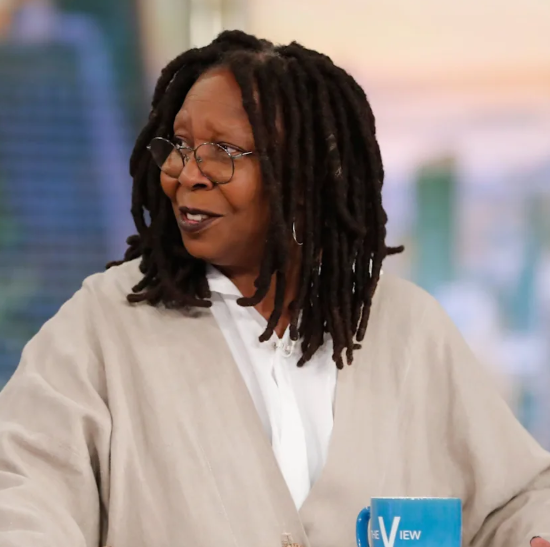
A short clip, a laugh, and a disproportionate backlash. A video showing Jameela Jamil reacting to wealthy celebrities sharing emotional posts about humanitarian crises has sparked a broader conversation about credibility, money, and what solidarity actually looks like online. The outrage isn’t really about the laugh. It’s about what that laugh exposes.
Jameela Jamil’s reaction isn’t flippant, it targets a specific contradiction
In the circulating video, Jameela Jamil isn’t mocking human suffering. She’s reacting to a far narrower and more uncomfortable pattern: extremely wealthy public figures amplifying emotional messages or fundraising links without visibly contributing themselves.
Jamil has previously criticized this exact dynamic. Sharing a link, especially to a fundraiser, costs almost nothing when you have millions of followers. Donating, on the other hand, does. Her reaction points to that imbalance. The laughter isn’t dismissal. It’s disbelief.
The blind spot Reddit immediately zooms in on
On Reddit, particularly within r/Fauxmoi, one element dominates the conversation: crowdfunding.
GoFundMe has become a default response to crisis. Medical bills, war relief, displacement, emergency aid: everything funnels into public fundraising campaigns. Celebrities frequently share them.
What commenters repeatedly point out is simple but cutting:
-
Sharing a fundraiser boosts visibility
-
It says nothing about the sharer’s personal contribution
-
And when the sharer is vastly wealthier than the average donor, the imbalance becomes hard to ignore
That’s where the discomfort comes from.
Sharing without giving: why it rubs people the wrong way
This isn’t a legal or moral accusation. It’s a symbolic one.
When a multimillionaire shares a fundraiser worth tens or hundreds of thousands of dollars, many readers instinctively interpret it as:
-
Asking people with far fewer resources to shoulder the burden
-
Outsourcing financial effort while retaining moral credit
-
Turning urgency into content with no personal cost
Even if none of that is intentional, perception matters. And right now, the perception is shifting.
The real expectation shift: visible effort
What the Reddit discussion makes clear is that public expectations have changed. Empathy alone is no longer enough when power and wealth are involved. Action is expected to scale with capacity.
For everyday users, sharing may be meaningful.
For celebrities, audiences increasingly ask:
-
Why not donate publicly, even partially?
-
Why not match donations for a limited time?
-
Why not structure or seed the fundraiser instead of only amplifying it?
When those questions go unanswered, trust erodes.
Jameela Jamil as an insider, not an outsider
It would be naïve to frame Jameela Jamil as separate from celebrity culture. Commenters are quick to point out that she, too, benefits from privilege.
That’s precisely why her reaction lands. It’s not an external critique. It’s an internal fracture. A moment where someone inside the system reacts instinctively to its own performative habits.
No manifesto.
No lecture.
Just a reflex that exposes tension.
Why Enzvia is sharing this video
Not to crown Jameela Jamil as “right.”
Not to shame other celebrities.
Enzvia is sharing this clip because it captures a broader cultural shift: the growing skepticism toward cost-free compassion from those with disproportionate influence and resources.
In a platform-driven media environment, emotion without consequence is increasingly questioned.
What this debate reveals about online solidarity today
Crowdfunding platforms like GoFundMe have enabled real help and saved lives. Celebrity amplification has sometimes been decisive.
But a line is being redrawn. Audiences are no longer judging sincerity by tone alone. They are watching who absorbs the actual cost.
Jameela Jamil’s laugh doesn’t offer a solution.
It poses an uncomfortable question:
If you can meaningfully contribute without feeling it, why ask others to do it for you?
That question, more than the reaction itself, is what continues to unsettle people.