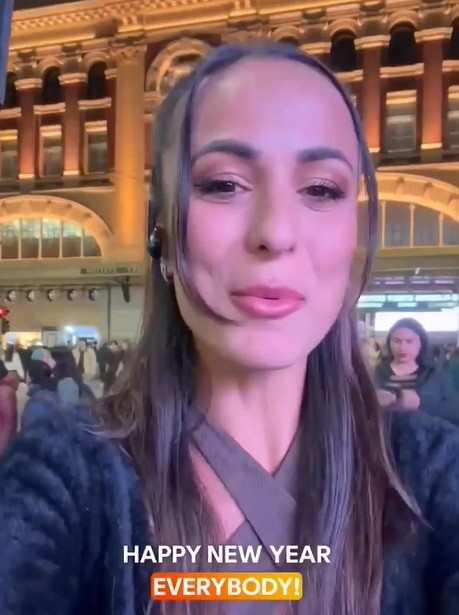
The fatal crash that occurred in Zion, Illinois, in early November has become one of the clearest examples of how livestream culture can collide with real-world responsibility. Reported by U.S. media including the Chicago Sun-Times, the case involves a TikTok influencer known online as Tea Tyme and the death of Darren Lucas, a 59-year-old grocery store employee.
Unlike many viral stories driven by speculation, this is a documented criminal case. The facts matter, the roles matter, and the context matters.
The Facts of the Case in Zion, Illinois
On November 3, Darren Lucas had just finished his shift at a grocery store and was walking home. As he crossed an intersection in Zion, he was struck by a vehicle and fatally injured. He later died from his injuries.
Police identified the driver as Tynesha McCarty-Wroten, who is known on TikTok under the name Tea Tyme. According to investigators, McCarty-Wroten was using TikTok while driving at the time of the crash.
Authorities allege that she ran a red light at the intersection of Sheridan Road and 33rd Street. Digital evidence, including phone data, reportedly showed TikTok activity shortly before the collision. Prosecutors argue that this activity contributed directly to the fatal distraction.
McCarty-Wroten was later charged with aggravated reckless driving resulting in death. The investigation treats TikTok use not as a side detail, but as a central element of the case.
Who Darren Lucas Was Beyond the Headline
Darren Lucas was not a public figure. He was a father, a coworker, and a familiar face at his workplace. Friends and family described him as dependable and kind. A GoFundMe campaign created after his death emphasized a simple truth: he was walking home from work when his life was taken.
This human reality is often lost when stories focus on apps, algorithms, or influencers. Yet the legal and moral weight of the case rests on this fact. A pedestrian died in a place where he had every right to be safe.
Tea Tyme and the Question of Influence
Tea Tyme had built an audience on TikTok by sharing daily life moments and speaking directly to viewers. Like many creators, her content relied on proximity and real-time interaction. Livestreaming was part of that dynamic.
Influence matters because it shapes behavior. When creators normalize filming in risky situations, audiences absorb the message that it is acceptable. Livestreaming while driving is not rare on social media, even though it is illegal and dangerous.
In this case, prosecutors argue that the decision to engage with TikTok behind the wheel crossed from poor judgment into criminal recklessness.
Why Livestreaming While Driving Is Dangerous
Distracted driving cases often involve texting or calls. Livestreaming introduces a deeper level of cognitive load. It requires continuous visual attention, reading comments, reacting emotionally, and maintaining a performative presence.
This is not a momentary glance at a phone. It is sustained distraction. From a legal standpoint, that distinction matters. It supports the argument that the risk was obvious and avoidable.
Safety experts have repeatedly warned that livestreaming combines the most dangerous elements of phone use into a single activity.
The Role of TikTok in the Investigation
TikTok itself is not on trial, but the platform’s design is relevant. Livestreams encourage immediacy and reward constant engagement. Notifications, comments, and viewer counts pull attention away from the physical environment.
TikTok’s policies prohibit dangerous activities, including distracted driving. However, enforcement is largely reactive. Livestreams unfold faster than moderation systems can intervene.
This case illustrates a structural limit. Platforms can set rules, but they cannot stop a crash seconds before it happens.
Legal Accountability in the United States
Illinois law treats aggravated reckless driving as a serious felony. Prosecutors must show that the driver consciously disregarded a substantial risk. Alleged TikTok use strengthens that argument.
If the court upholds this interpretation, the case may influence how future distracted driving incidents involving social media are charged. It signals that app usage is no longer a neutral detail, but potential evidence of intent and negligence.
Why This Case Resonates Nationally
Many fatal crashes occur every year, yet this one captured widespread attention. The reason is familiarity. Millions of people use TikTok daily. Many have seen or created videos in cars.
The discomfort comes from recognition. The behavior is common, the outcome is not. This contrast forces a collective reckoning with habits that have become normalized.
A Clear Line Between Content and Consequences
This tragedy draws a hard line between digital performance and physical reality. Roads do not adapt to livestreams. Pedestrians do not become props. Real-world consequences remain final.
Darren Lucas’s death is not a social media story. It is a fatal crash with a preventable cause. The presence of TikTok did not soften the impact. It magnified the responsibility.
When Going Live Becomes a Criminal Act
The Zion case shows that livestreaming is not inherently harmless. In the wrong context, it can become a deadly distraction. Courts are now being asked to treat it as such.
No number of views, comments, or followers can justify a choice that costs a life. The lesson from this case is not abstract. It is painfully concrete.
Going live does not pause reality. It only records what happens when attention is misplaced.