An image keeps circulating.
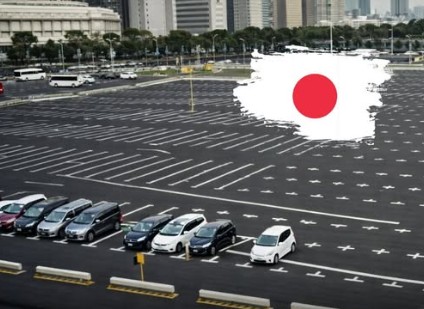
A nearly empty parking lot.
The only cars are lined up far away from the entrance.
The caption is almost always the same:
“In Japan, employees who arrive early deliberately park far away so later arrivals can use the closest spots.”
It’s clean.
It feels ethical.
It flatters our idea of Japan.
And most importantly, it goes viral.
But is it actually true?
What the image suggests and why we want to believe it
This image works because it tells a complete story without words.
It quietly contrasts two worlds:
-
individual convenience
-
collective consideration
It turns a mundane act into a cultural symbol.
And it does so in a single glance.
That’s why it spreads so easily. It confirms something many people already believe:
that Japanese society prioritizes others, even in invisible details.
The issue isn’t the idea itself.
It’s the oversimplification.
What research and serious observation actually show
After checking reliable sources, one thing is clear:
there is no national rule, no formal guideline, and no academic study stating that early arrivals in Japan must park farther away.
However, several well-documented realities do exist.
In Japanese work culture:
-
arriving early is common
-
avoiding inconvenience to others is a strong social norm
-
many behaviors are guided by unspoken rules rather than written ones
Two concepts consistently appear in sociological research:
-
proactive consideration for others
-
avoidance of causing trouble or discomfort
Within that framework, parking far away can happen.
But as a situational, local behavior, not a universal tradition.
What actually happens in some company parking lots
On the ground, the reality is more nuanced.
In certain companies:
-
spots near the entrance are implicitly seen as visitor-friendly
-
senior employees avoid them out of habit
-
newcomers copy the behavior without anyone explaining it
There are no signs.
No official instructions.
No moral speech.
Just an unspoken logic:
don’t visibly claim an advantage if it could make things harder for others.
It’s not heroic.
It’s quiet.
And it’s far from universal.
Why the internet turns this detail into a cultural rule
Because images favor clean stories.
The internet doesn’t share:
-
contextual norms
-
variable behaviors
-
nuanced explanations
It shares:
-
symbols
-
contrasts
-
ready-made lessons
This parking lot becomes visual proof of an idealized Japan.
Not false.
But incomplete.
What this image really reveals about our relationship to work
The real difference isn’t the parking lot.
It’s deeper.
In many Western work cultures:
-
arriving early is a personal advantage
-
the best spot is an implicit reward
In some Japanese contexts:
-
arriving early creates an unspoken responsibility
-
visible advantages are something to neutralize, not display
This isn’t morally better.
It’s structurally different.
And that difference is exactly what the image hints at, even if it tells the story too cleanly.
Why Enzvia explains viral images instead of just sharing them
At Enzvia, we don’t dismiss viral images.
We take them seriously.
Because they often contain something true.
Just rarely the full truth.
Our role isn’t to break the myth.
It’s to put reality behind the aesthetic, context behind emotion, and precision behind slogans.
Viral images aren’t wrong.
They’re incomplete.
And that’s where explanation begins.