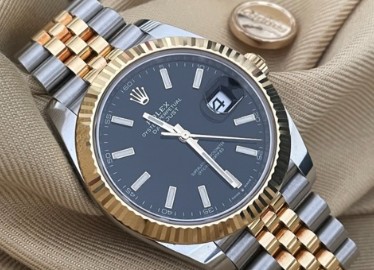
The ranking of the best-selling luxury watches in 2026 continues to fuel a persistent misconception. Many read it as a hierarchy of prestige. In reality, this list tells a very different story. It measures the ability to convert desire into revenue, not the ability to embody horological excellence in its historical, artisanal, or cultural sense.
The best-selling watch is not the one that pushes mechanical boundaries the furthest. It is the one that circulates most efficiently within the modern luxury economy. An economy where social recognition, controlled availability, and narrative clarity often matter more than the complexity of a movement.
The 2026 ranking does not measure horological greatness, it measures the efficiency of desire
The 2026 sales ranking aggregates radically different strategies into a single indicator. It places brands with entirely different volumes, ambitions, and definitions of luxury on the same scale.
Within this framework, Rolex dominates unequivocally. Not because it is the most noble, but because it has reached an unmatched level of industrial mastery over desire. The ranking does not crown horological superiority. It rewards commercial effectiveness.
Rolex sells more because it industrialized scarcity, not exceptionality
Rolex is not a rare brand in the strict sense. It produces at scale, far more than most high-end independent watchmakers. Yet scarcity remains the norm at retail level.
This tension rests on three simple but highly effective mechanisms: high yet controlled production, deliberately constrained distribution, and an almost total absence of direct-to-consumer sales. The result is a carefully maintained paradox: a watch omnipresent in the collective imagination, yet difficult to obtain in reality.
Waiting becomes proof of legitimacy. The product is not consumed immediately, it is earned. This strategy allows Rolex to sell in high volumes without ever diluting its image.
Horological prestige and commercial success follow opposing logics
In traditional watchmaking, prestige is built through restraint. Limited production, sophisticated complications, extreme finishing. These choices reinforce symbolic value, but mechanically cap sales volumes.
Houses such as Patek Philippe or Vacheron Constantin fully embrace this logic. Their success is measured in transmission, reputation, and longevity, not annual units sold.
The 2026 ranking does not diminish them. It simply reminds us that prestige does not seek dominance. It seeks to remain unquestionable.
Top 10 Best-Selling Luxury Watch Brands in 2026
This ranking is based on estimated annual sales by value, consolidated from official reports and industry analyses. It reflects neither absolute horological quality nor true production rarity.
-
Rolex – $10.58 billion
-
Cartier – $3.18 billion
-
Omega – $2.39 billion
-
Audemars Piguet – $2.38 billion
-
Patek Philippe – $2.30 billion
-
Richard Mille – $1.55 billion
-
Longines – $1.12 billion
-
Vacheron Constantin – $942 million
-
Breitling – $850 million
-
TAG Heuer – $726 million
This list highlights a reality that often makes purists uncomfortable: volume rewards commercial coherence, not maximum horological rigor.
Omega and Cartier succeed differently, without chasing Rolex
Behind the market leader, several brands achieve high volumes without copying its model.
Omega relies on a clear value proposition: accessible technical innovation, strong historical legitimacy, and a coherent product range. Its iconic models sell because they are instantly recognizable and narratively simple.
Cartier follows a different logic. The watch is first and foremost a social object. Design outweighs mechanics, visual recognition outweighs technical explanation. This approach significantly broadens the audience and explains Cartier’s commercial strength in watchmaking.
Complications no longer drive sales, they drive loyalty
The 2026 ranking confirms a structural shift. The most complicated watches are not the best sellers. They target clients who are already convinced, already equipped, already committed.
Complications reinforce a brand’s credibility. They do not fuel growth. They consolidate relationships rather than create new ones.
Brands like Audemars Piguet have fully internalized this reality. Their success is driven more by iconic design and strategic coherence than by the accumulation of mechanical feats.
What the 2026 luxury watch ranking really reveals about the market
The luxury watch market in 2026 is more rational than it appears. It rewards clarity, consistency, and distribution control far more than technical virtuosity.
The best-selling watch is not the most prestigious one. It is the watch the market understands instantly, desires without justification, and is willing to wait for.
Horological prestige still exists. It simply is no longer measured in revenue.